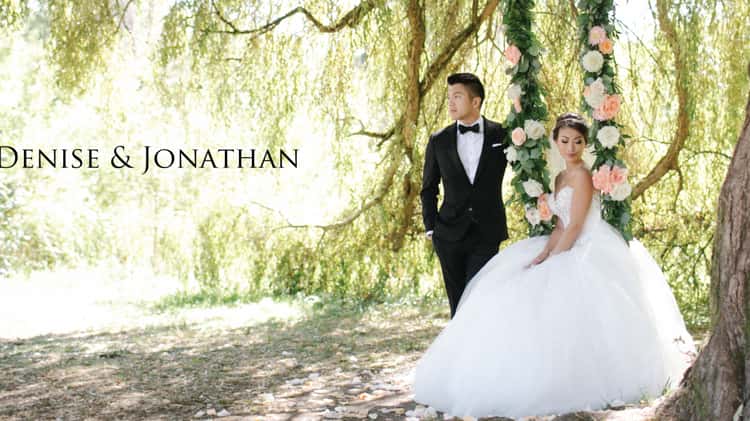
Your wedding day is one of the most significant events in your life, filled with moments that you’ll want to cherish forever. While photography captures those still moments, wedding videography brings your special day to life through movement and sound. From the emotional first look to the jubilant last dance, a well-crafted wedding video is more than just a collection of clips—it’s a cinematic experience that tells the story of your love. This ultimate guide to wedding videography will help you understand how to make the most of your wedding film and ensure that every special moment is preserved beautifully.
Understanding the Role of Wedding Videography
Wedding videography has evolved significantly over the years. Gone are the days of static, overly posed videos with poor audio quality. Today’s wedding videographers best wedding videographer use advanced equipment and creative techniques to produce films that are as dynamic and unique as the couples they work with. A high-quality wedding video not only captures key moments but also conveys the emotions and atmosphere of the day, allowing you to relive the experience time and again.
Choosing the Right Videographer
Selecting the right videographer is crucial for a successful wedding video. Start by researching potential candidates and reviewing their portfolios. Look for a videographer whose style resonates with you—whether it’s documentary, cinematic, or a blend of both. Pay attention to the quality of their work, including the clarity of the visuals, the smoothness of the transitions, and the quality of the audio.
It’s also important to meet with the videographer before booking. Discuss your vision for the video, including any specific shots or moments you want to capture. A good videographer will listen to your ideas and offer suggestions to enhance your video. Make sure you’re comfortable with their personality and approach, as this will help ensure a smooth working relationship on your wedding day.
Planning Your Videography Timeline
One of the keys to a successful wedding video is a well-planned timeline. Work closely with your videographer to create a schedule that covers all the important moments without feeling rushed. Here’s a basic timeline to consider:
- Pre-Wedding Preparations: Capture the excitement and details of your preparations, including the bridal party getting ready, the groom’s preparations, and any special pre-wedding rituals.
- The First Look: This intimate moment is often filled with raw emotion. Be sure to allocate time for a private first look between the bride and groom, if you plan to have one.
- Ceremony: Your wedding ceremony is the heart of the day. Make sure your videographer has a clear view of the altar and is positioned to capture important angles without being intrusive.
- Reception: The reception is where the fun begins. Key moments to film include the grand entrance, first dance, toasts, and any special performances or surprises.
- Dancing and Farewell: Capture the energy and joy of the dance floor, and don’t forget to film the final farewell as you and your guests conclude the evening.
Capturing Key Moments
To create a compelling wedding video, your videographer needs to capture not just the major events but also the small, meaningful moments that make your day unique. Here are some key moments to ensure are included:
- Emotional Moments: From the tears during vows to the laughter during speeches, these are the emotional highlights that will resonate most with you.
- Details and Decor: The details you’ve meticulously planned, like the flowers, table settings, and the cake, should be featured in the video to showcase the effort you’ve put into your wedding.
- Guest Interactions: Your family and friends are an integral part of your wedding day. Capture their reactions and interactions to add depth and warmth to your video.
Enhancing Your Wedding Video
Once the filming is complete, the editing process transforms raw footage into a polished wedding film. Here’s how you can enhance your wedding video:
- Choose a Style: Decide on a style that reflects your personality and the overall tone of your wedding. Whether you prefer a classic, romantic, or modern approach, your videographer should be able to tailor the edit to your vision.
- Add Music: The right soundtrack can elevate your wedding video and set the mood. Work with your videographer to choose songs that resonate with you and complement the visuals.
- Include Personal Touches: Consider incorporating personal elements such as voiceovers, letters, or messages from loved ones to make your video more personal and memorable.
- Review and Revise: Before finalizing the video, review it carefully and provide feedback. This is your chance to ensure that every detail is just right and that the video meets your expectations.
The Final Product
Once your wedding video is complete, it’s time to enjoy the fruits of your labor. You’ll receive a beautifully edited film that captures the essence of your wedding day. Most videographers provide both a full-length video and a highlight reel, so you can share the best moments with family and friends or relive the entire day.
Preserving Your Wedding Memories
To ensure that your wedding video lasts a lifetime, consider backing it up in multiple formats. Store digital copies in secure cloud storage and create physical copies on DVDs or Blu-rays. It’s also a good idea to share your video with family and friends, so everyone can enjoy the memories together.
Conclusion
Wedding videography is an investment in preserving the memories of one of the most important days of your life. By understanding the role of a wedding videographer, carefully planning your timeline, and working closely with your chosen professional, you can ensure that your wedding video captures the magic of your special day. From the first look to the last dance, a well-crafted wedding film will allow you to relive the joy, emotion, and celebration of your wedding day for years to come.